
5 Industries That AI & Robots Will Be Slow to Replace
- Pacific Ledger
- Oct 1, 2025
- 4 min read

Everyone’s worried that AI and robots are going to take over the job market. And while it’s true that many roles will disappear or change dramatically, some industries are much harder to automate. These tend to be physical, service-based, and deeply human, requiring hands-on skills, trust, and creativity — all things machines struggle to replicate.
If you’re considering starting a business or shifting careers, these are five industries that will remain in high demand well into the future — plus a bonus idea that’s gaining traction as consumers focus on saving money and reducing waste.
1. Cleaning Businesses – Hands-On and Highly Profitable

Light household chores like vacuuming, laundry, and dishes will likely be among the first to be automated. A UK-Japan study found that around 39% of housework could be automated within 10 years, and companies like Toyota are already experimenting with robots that learn chores by watching humans.
But that’s not where the real opportunity lies. The most profitable cleaning services — the ones requiring physical work, attention to detail, and client trust — will remain firmly human for decades to come. These include:
Deep cleans for homes and Airbnbs
Pre- and post-renovation clean-ups
Move-in/move-out services for landlords
Commercial janitorial contracts that require safety protocols and scheduling
💰 Money side:
Total addressable market (TAM) in a mid-sized city (~500K people): $100M+ annually
Residential deep cleans: $150–$200 per visit
Commercial contracts: $500–$5,000/month
Average customer lifetime value (LTV): $3K–$10K per year
Even small operators can build $500K–$1M/year businesses with just 20–30 recurring clients. This also extends to adjacent services like landscaping, power washing, and exterior maintenance — all of which require human labor and judgment.
2. Aging Infrastructure – HVAC, Plumbing, Electrical

AI might help diagnose a failing furnace or detect a water leak, but it’s a long way from physically replacing pipes, wiring a house, or installing a heat pump. With the average North American home now over 40 years old, demand for repairs, retrofits, and energy-efficient upgrades continues to rise.
💰 Money side:
TAM per city: $500M+ annually
HVAC projects: $5K–$15K per job
Plumbing services: $300–$1,200 per job
LTV per homeowner: $15K–$30K+ over the course of years
A small two-truck company can bring in $1–$2M annually, and larger firms can easily scale beyond $10M+ in revenue. And that doesn’t even include demand from new construction.
3. Environmental Services – Junk Removal & Waste Disposal

It will be decades before robots are capable of hauling furniture, loading trucks, or clearing construction debris. Junk removal remains a physical, logistics-heavy business — and one that never stops being necessary.
💰 Money side:
TAM in a city of 1 million people: $50M–$100M/year
Average job: $300–$600
LTV for recurring clients (like property managers or contractors): $5K–$50K/year
Even a small operation with one or two trucks can generate $750K–$1.5M/year in revenue. Established franchises like 1-800-GOT-JUNK demonstrate just how profitable and scalable this business model can be.
4. Health & Wellness – Human Trust Can’t Be Automated

AI can track vital signs, interpret lab results, and recommend lifestyle changes — but it can’t offer comfort, empathy, or physical care. That’s why services like chiropractic, massage therapy, and in-home nursing will remain deeply human and in high demand, especially as populations age.
💰 Money side:
Global wellness market: $7 trillion+
Chiropractic sessions: $50–$100 each
Patient LTV: $1,500–$5,000/year
Multi-practitioner clinics in mid-sized cities: $1M–$3M/year
AI will certainly support diagnosis and marketing, but the trust-based, personal nature of these services ensures humans remain at the center of care.
5. AI Integration Specialists – Helping Businesses Adapt
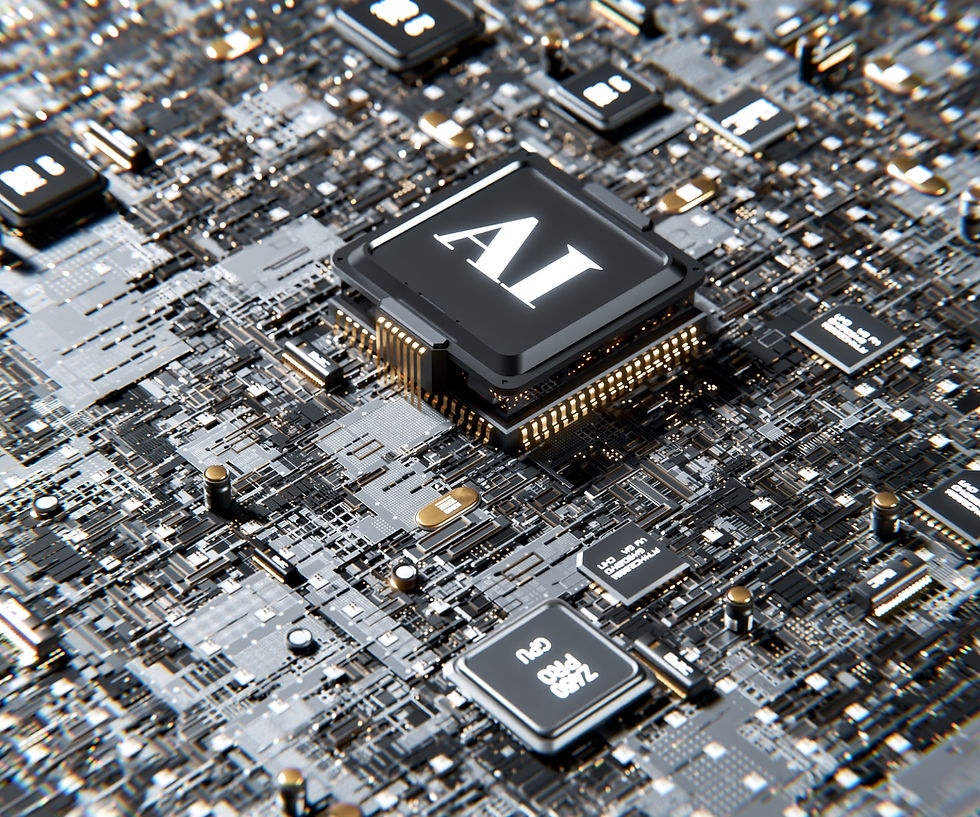
While physical industries are harder to automate, many white-collar jobs — from marketing and accounting to copywriting, administration, and even software development — are already being reshaped by AI. The biggest opportunity here isn’t competing with AI, but helping businesses integrate it effectively.
A marketer who masters AI can dramatically improve campaign performance. An accountant who automates workflows can free up time for advisory services. Every business will need experts who understand both their industry and how to implement AI tools — and they’ll pay a premium for that expertise.
💰 Money side:
TAM: Nearly every small business in existence
Consulting retainers: $1K–$5K+/month
Client LTV: $12K–$60K+
Positioning yourself as the “AI-for-[Industry]” expert can lead to a $500K–$2M/year consulting or agency business with just a handful of clients.
💸 BONUS: Reselling & Low-Cost Retail

A surprising growth area in the AI era is resale — flipping thrifted items, second-hand goods, or Amazon return pallets. With rising prices, sustainability concerns, and a surge in nostalgia-driven demand, resale is becoming a stable and profitable business model.
💡 Why it works:
Nostalgia is booming: Millennials and Gen Z are collecting childhood toys, retro games, and hobby items. These are often undervalued at garage sales and thrift stores.
Sustainability is mainstream: Consumers are actively choosing pre-owned goods to save money and reduce waste.
Low startup cost, high ROI: You can start with minimal investment — selling items you already own, flipping $5 thrift finds into $50 sales, or reselling items from return pallets.
💰 Money side:
Part-time flippers: $500–$2,000/month
Scaled operations: $50K–$150K/year
AOV: $60–$250, with frequent buyer LTV around $300–$1,000+
On a personal note, pallet flipping is one of the easiest ways to add around $500 to an emergency fund or save for a big trip — while keeping valuable items out of landfills.
Final Thoughts
AI will dramatically reshape the economy — but physical, local, and human services will be the last to disappear. Cleaning, trades, junk removal, wellness, and AI integration are all poised to create the next generation of millionaires.
The key is to start early, embrace AI as a tool rather than a threat, and build a business that solves real, tangible problems — the kind that robots will struggle to solve for decades to come.


Comments